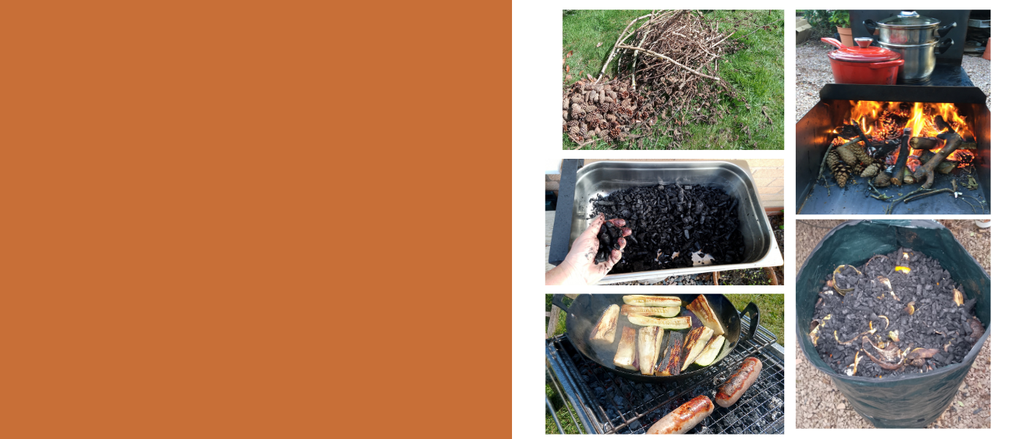
Is it practical to make biochar at home?
Collect small sticks from around your garden. Season and dry them if needed. Convert them into biochar in your Tawi stove.
Tell us how realistic this task is to undertake in your home garden.
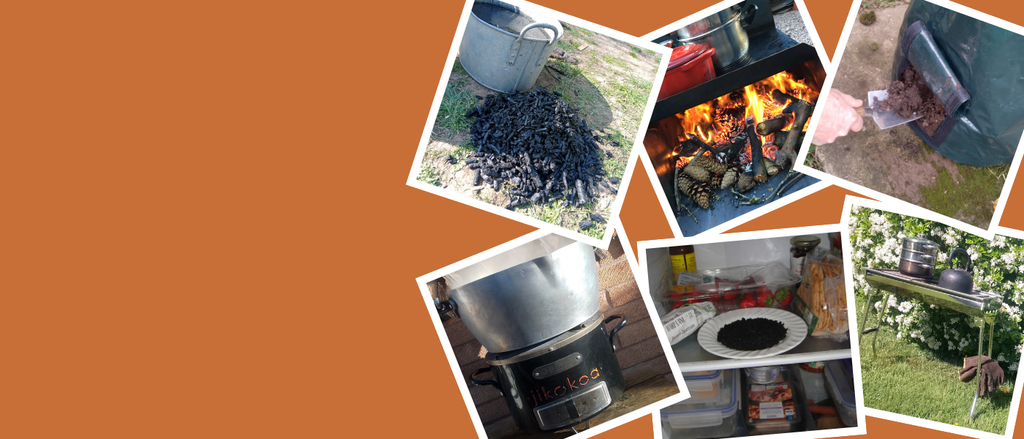
Thank you for considering being involved in this experiment. If you take part you can explore and contribute to all the trials, or you can choose only those which interest you the most.
Feedback from the experiment will be made available on this website. The final results, probably in a couple of years time, will be published in a journal.
Below is an overview of each of the topics we are investigating. You will get guidance notes with your Tawi stove detailing each topic.
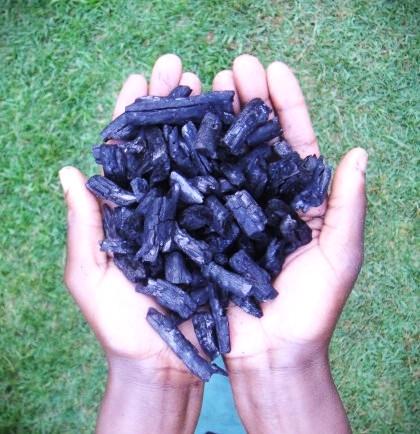
Collect small sticks from around your garden. Season and dry them if needed. Convert them into biochar in your Tawi stove.
Tell us how realistic this task is to undertake in your home garden.
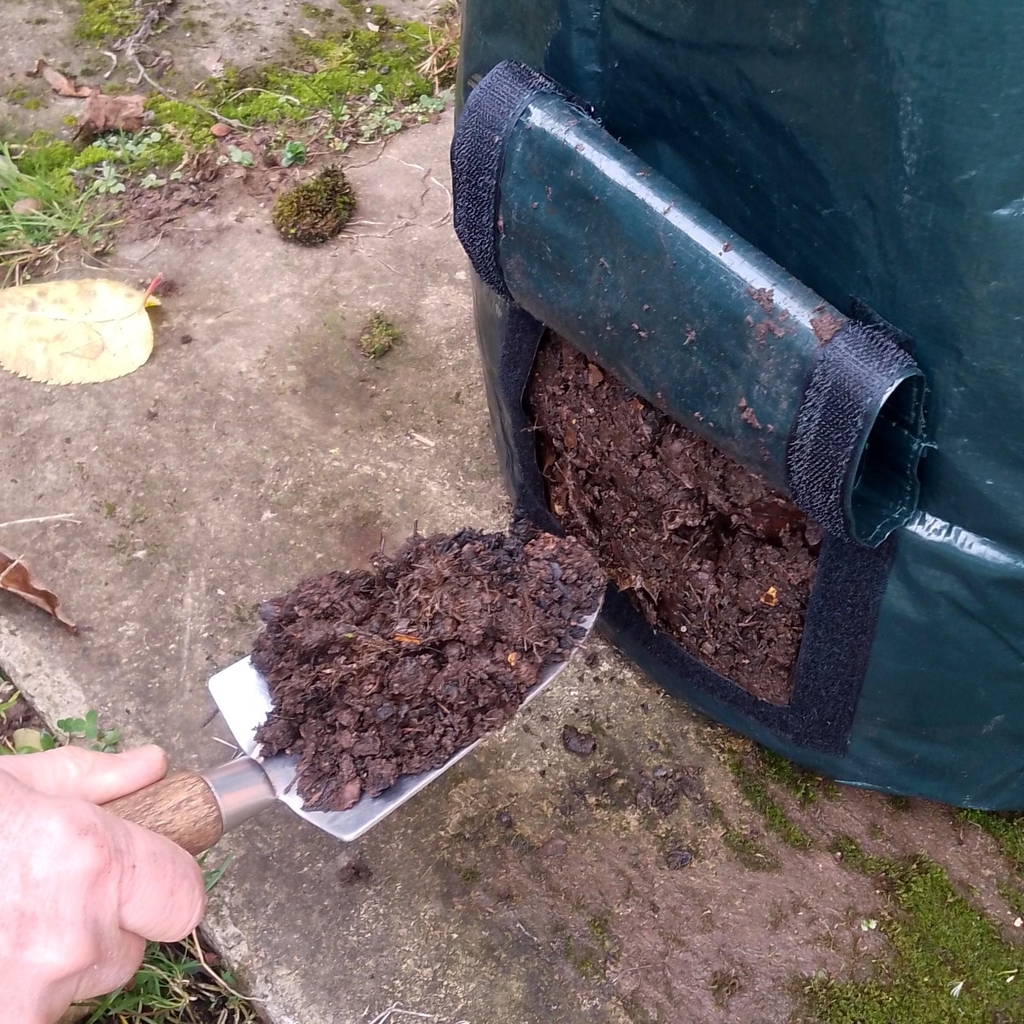
It is important that any biochar you use in your garden is enriched first. The simplest way to do this is to add the biochar you have made to your compost bucket every time you add organic waste. This will allow the biochar to adsorb nutrients as your waste decomposes. It has the added advantage of deodorizing your waste bin.
Over time we will help you assess if the addition of biochar to your compost, and then soil, has made any difference.
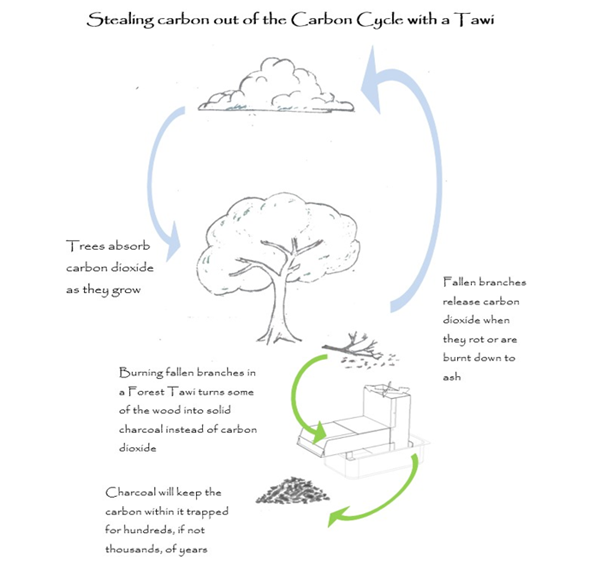
Trees convert carbon dioxide into living tissue as they grow. This is converted back to carbon dioxide when the tree decomposes or burns, unless you convert the tissue into a stable solid form like biochar.
Using a simple formula, we will show you how to calculate how much carbon you are capturing.
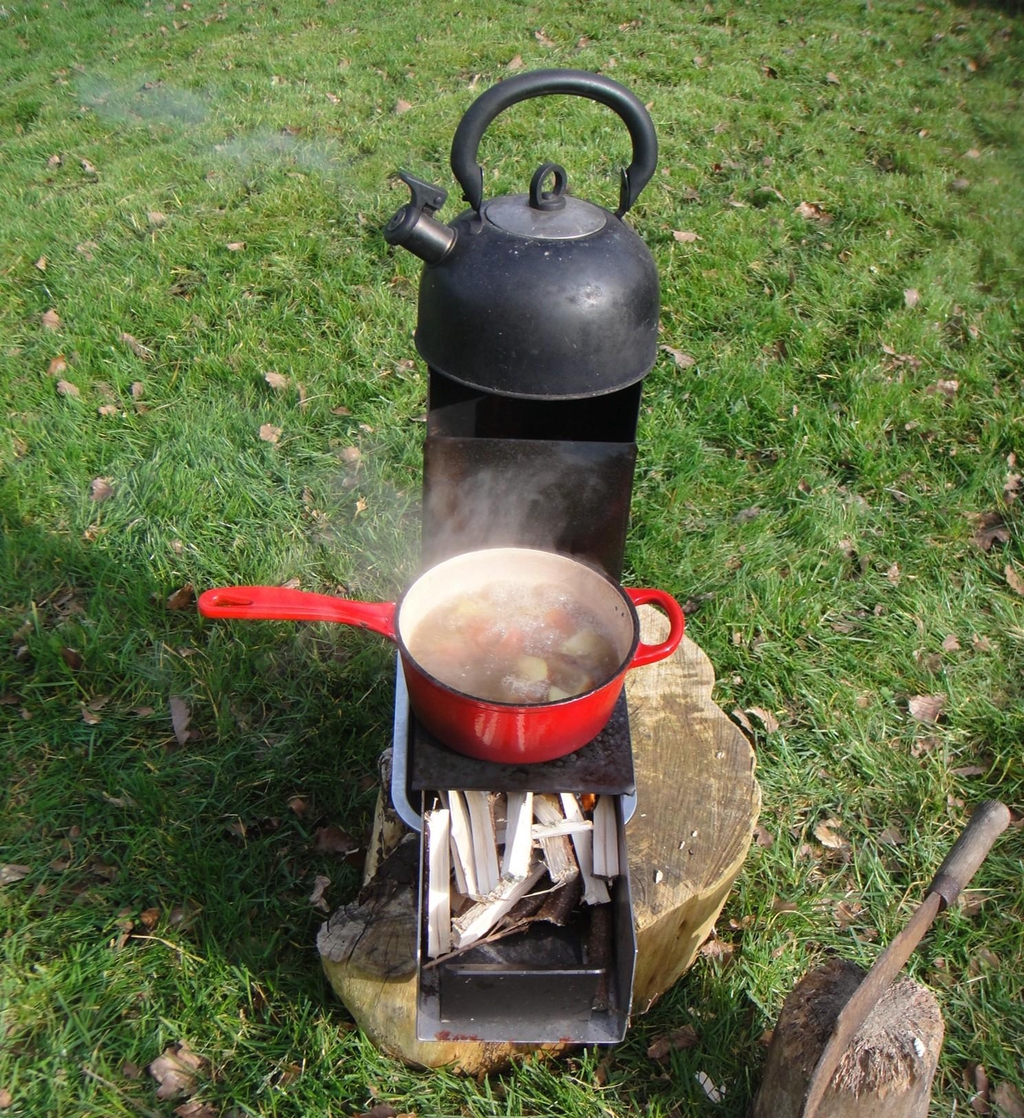
A lot of heat is released during the pyrolysis process. Your Tawi stove has two cooking surfaces designed to use that heat.
Please tell us if you have been able to use this heat for cooking a variety of foods.
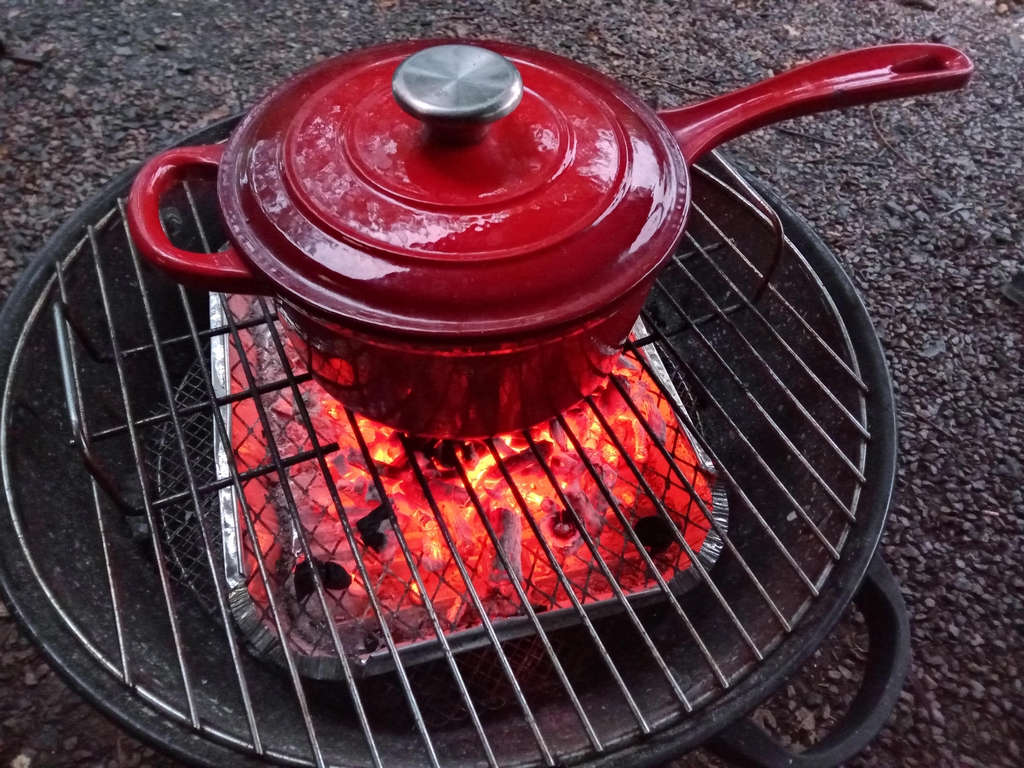
Barbecue charcoal mainly comes from virgin indigenous forests and always releases a lot of airborne pollutants during manufacture. Biochar is a purer and cleaner form of carbon than traditional charcoal. Running a Tawi Harvester for 1 hour will give you 2 hours of biochar fuel for a Jiko stove.
Can biochar be used as an environmentally sound, sustainable alternative to charcoal in your barbecue?
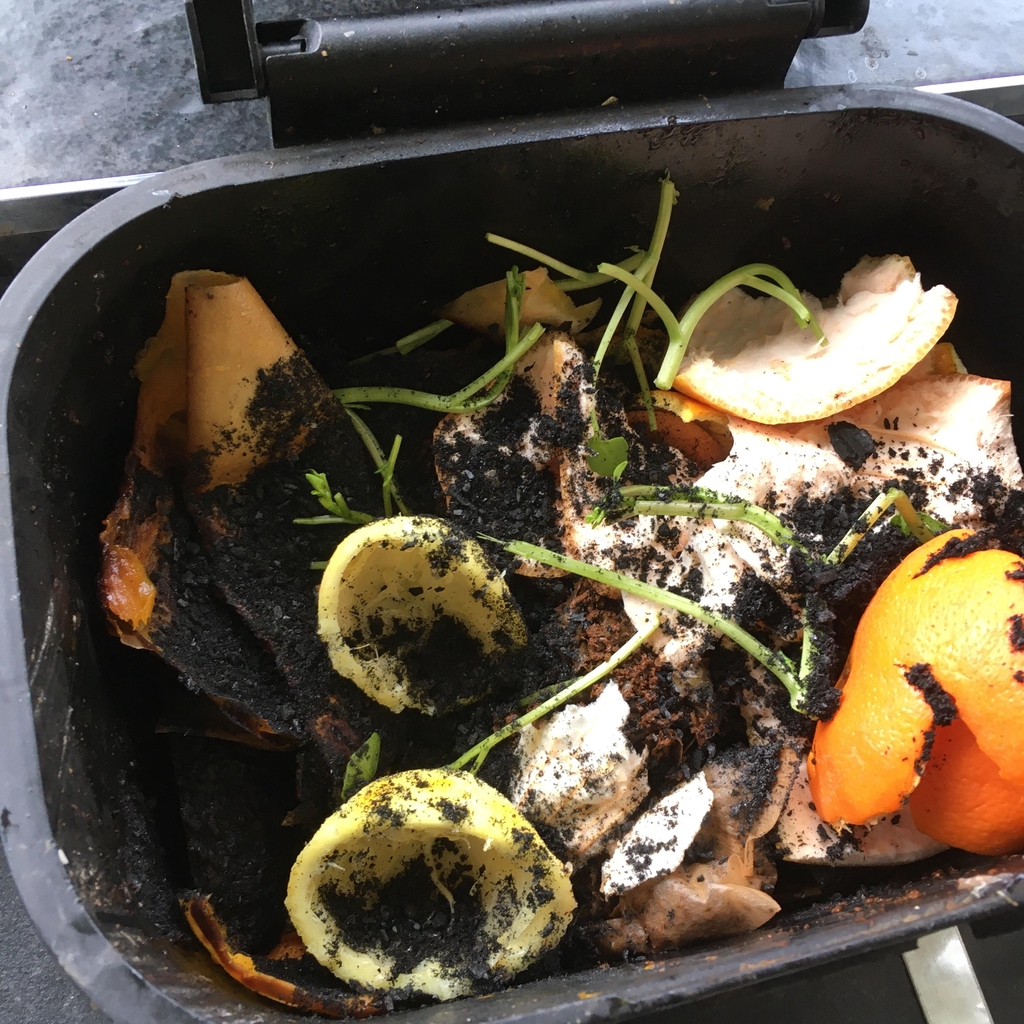
The biochar made in all our Tawi stoves is highly adsorbent. That gives it the ability to act as an effective deodorizer around the home; from your bins to your fridge.
Let us know if biochar works as an effective deodorizer for you.