Brash Kitchen
Waste wood is a free resource
that can save you money
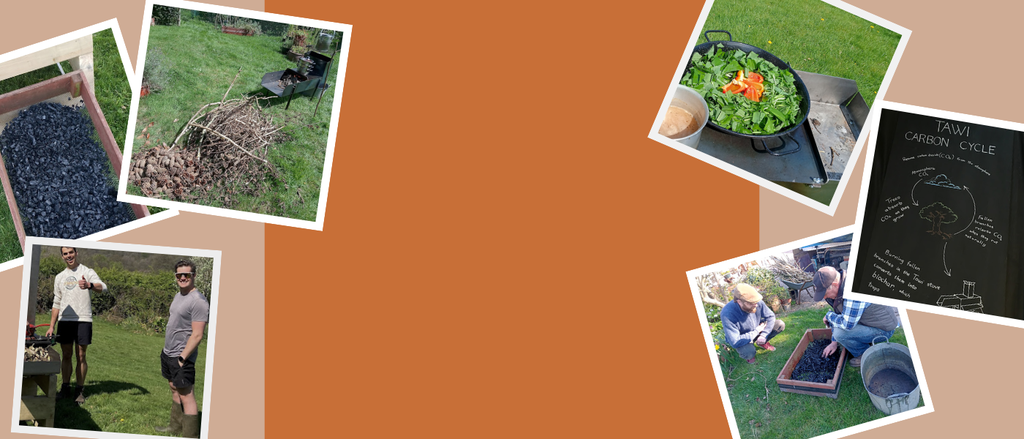
Running a Tawi Biochar Harvester for one hour produces enough biochar to fuel a Jiko stove for two hours - that's three hours of cooking, just from a handful of sticks!
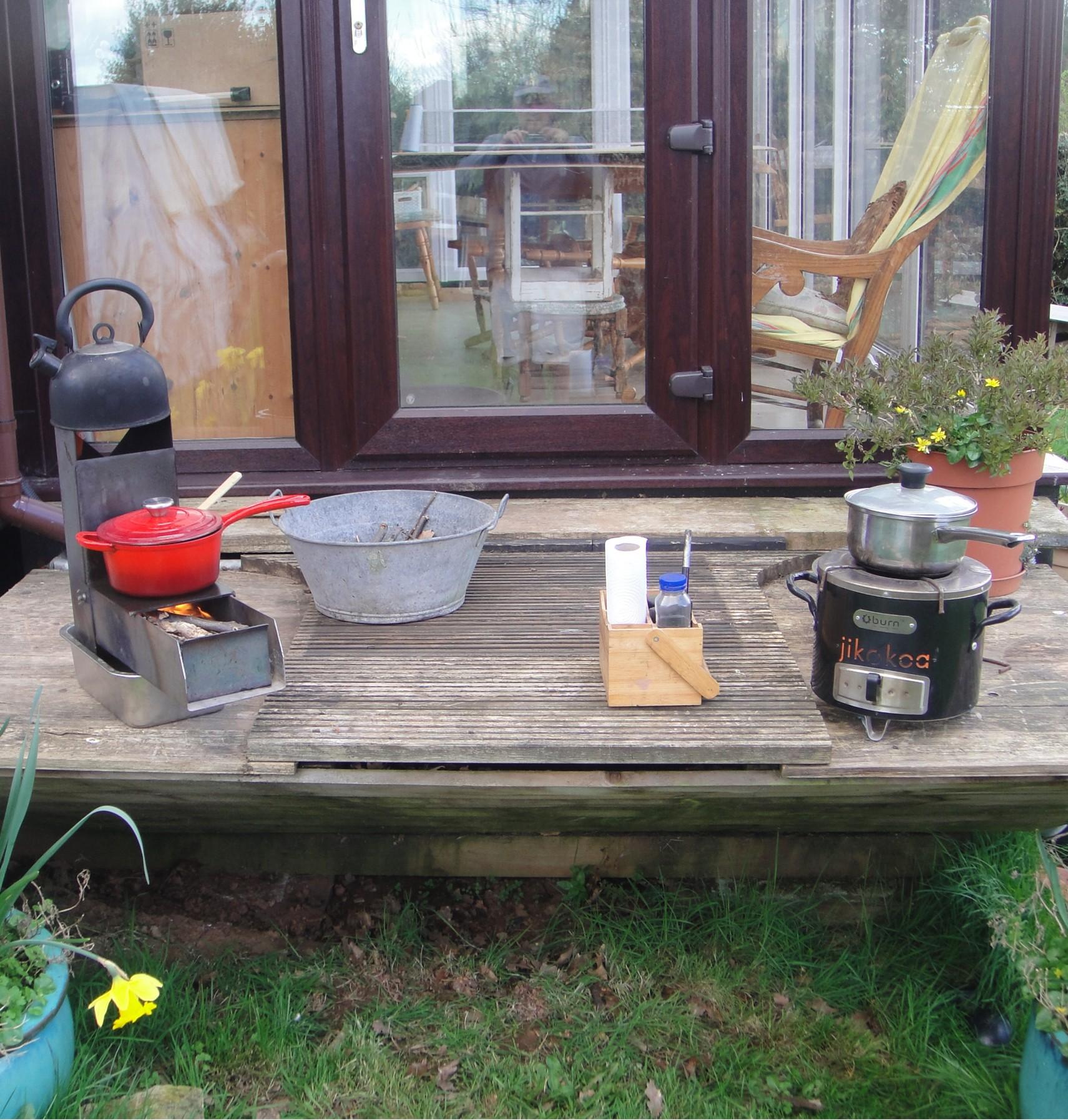
A new resource.
If you have a garden, even a small one, you will find some waste wood (brash). A Brash Kitchen is designed to use that free resource as a fuel in an extremely efficient way.
In a fire, wood burns and reduces to charcoal / biochar. That then burns down to ash. A stove designed to burn wood is not good at burning charcoal and vice versa. A Brash Kitchen aims to optimise the way both elements are burnt.
It is all about sustainability and self-sufficiency. Make biochar in the summer when there are plenty of dry sticks around. Burn the biochar you have made in the winter when the weather is not so good.
We have used this system here and in Kenya for over 20 years.
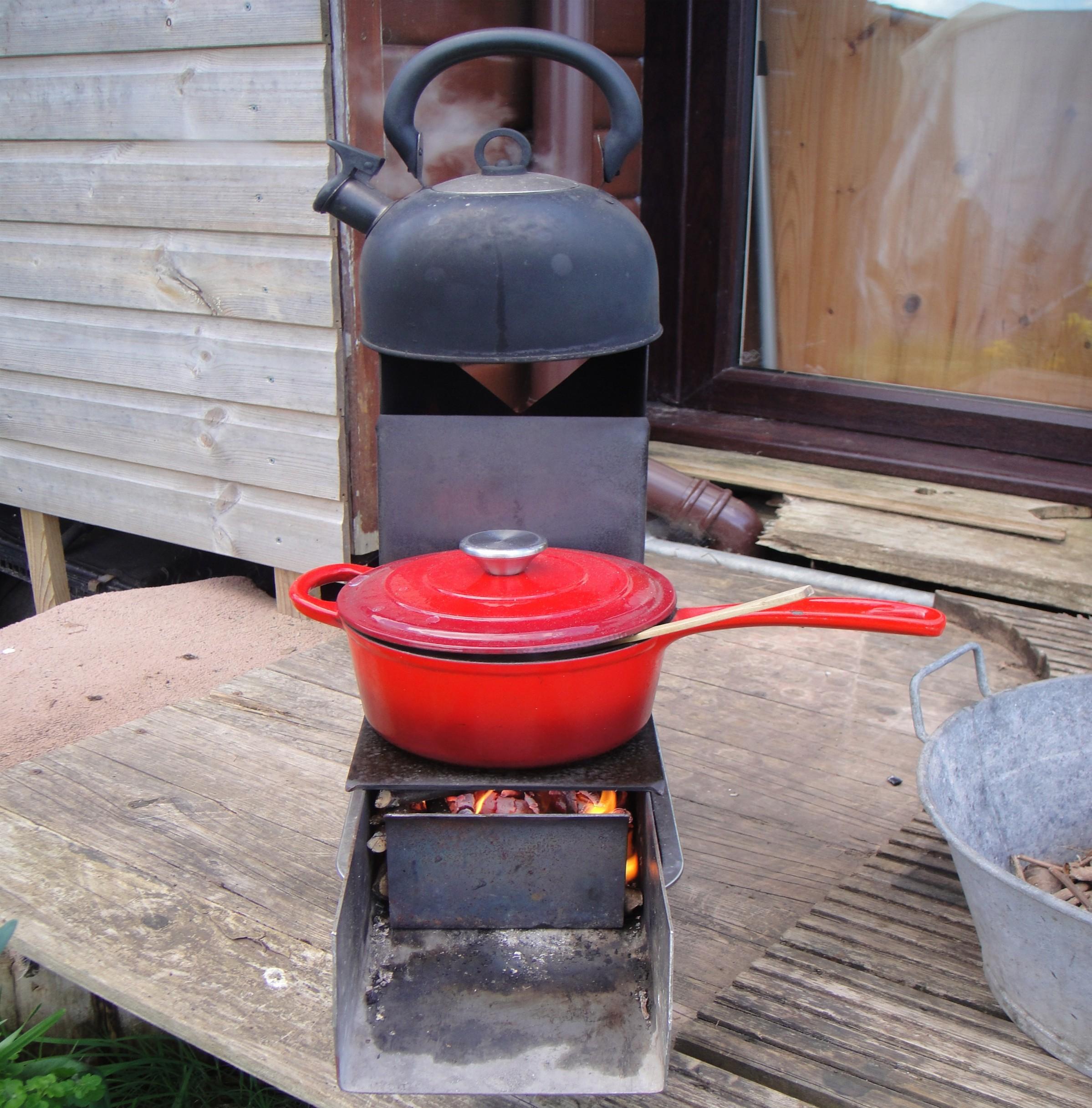
From brash to biochar
Tawi stoves are extremely efficient at turning brash into biochar. Dedicated cooking surfaces allow you to use the pyrolysis heat at the same time.
When you have finished cooking you scrape out the biochar you have made into a metal container that has an air-tight lid. When the biochar has cooled down completely, add it to your biochar fuel store.
No wood stove is completely smoke free, but a Tawi outdoor stove is just about as good as it gets!
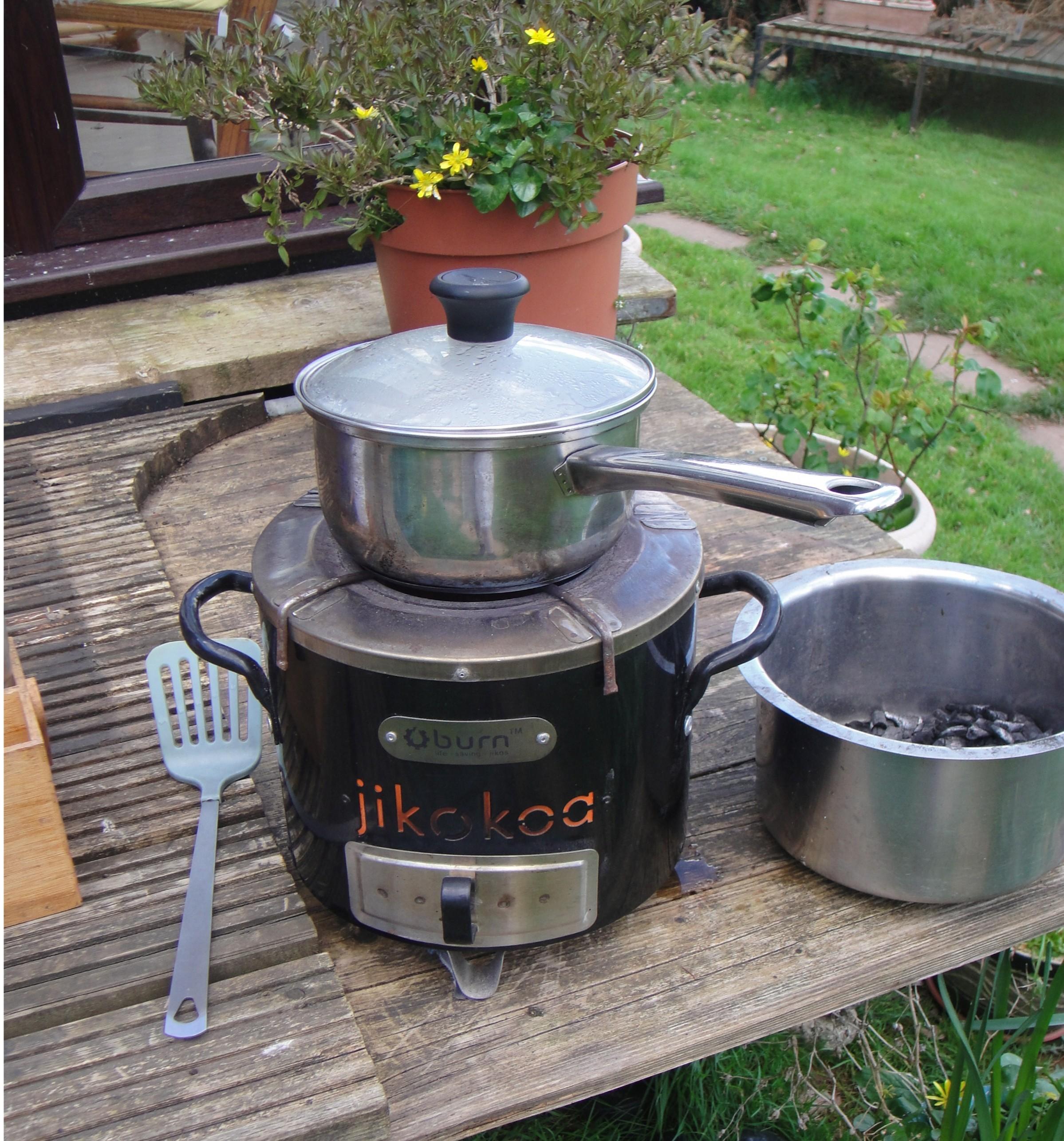
Biochar fuel
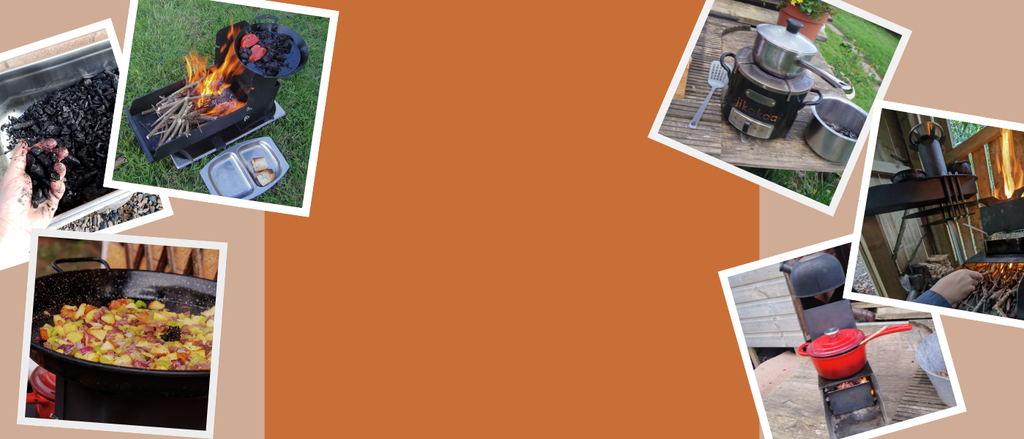
Dry biochar is a fast lighting, carbon-rich fuel. When burnt in a Jiko stove it produces a huge amount of clean heat which is easy to control. This makes biochar an ideal cooking fuel; better than traditional charcoal.
All outdoor wood stoves, including the Tawi, work better when the weather is dry. You can use a Jiko at any time of the year and in any weather conditions.
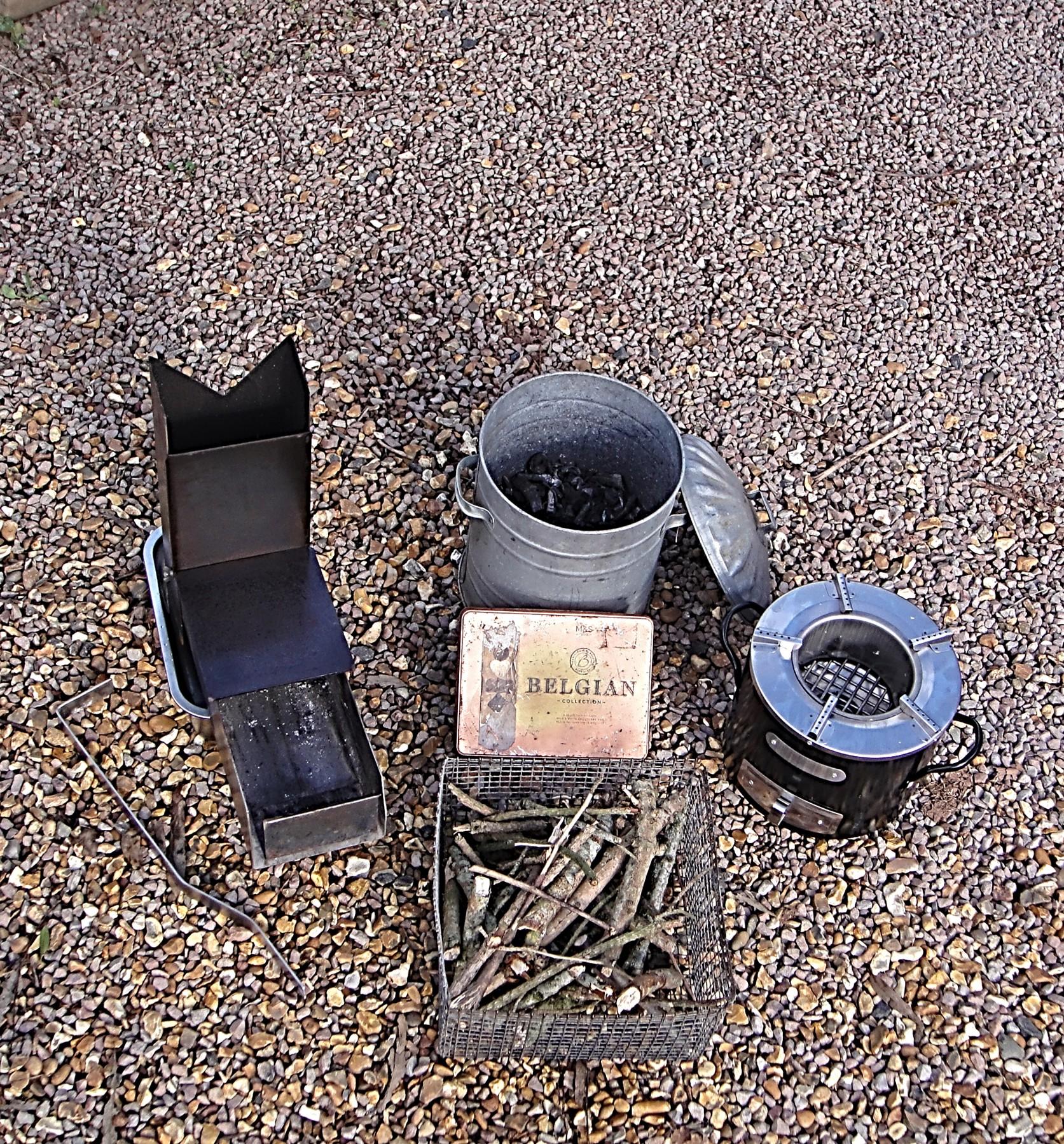
What you need in order to run a Brash Kitchen
A Brash Kitchen is a system rather than a design. It is the process that uses a small amount of fuel wood very efficiently by separating the two distinct burning phases.
You can set up a Brash Kitchen anywhere. You will need a Tawi stove to produce dry biochar and a Jiko stove to burn the biochar you have made. Find a metal airtight container to extinguish the hot biochar; an old biscuit tin or saucepan with lid. Your biochar fuel should also be stored in a lidded metal container.