About Us
Who we are
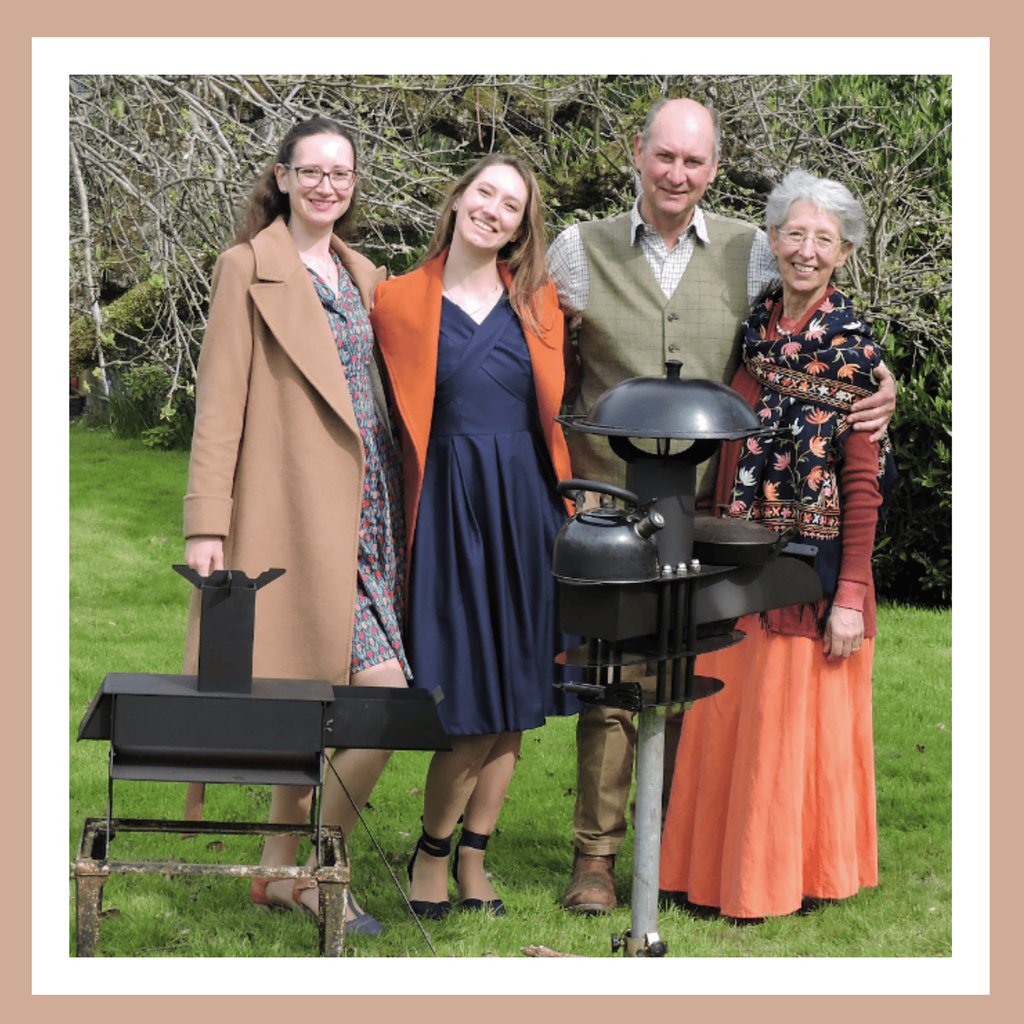
We are the Boyd-Moss family, the people behind the Carbon Farmers project. Emma, Rachel, Graeme and Catharine, helped by John and Anna in Kenya (Graeme’s parents) have made the Carbon Farmers project what it is today.

How it all began
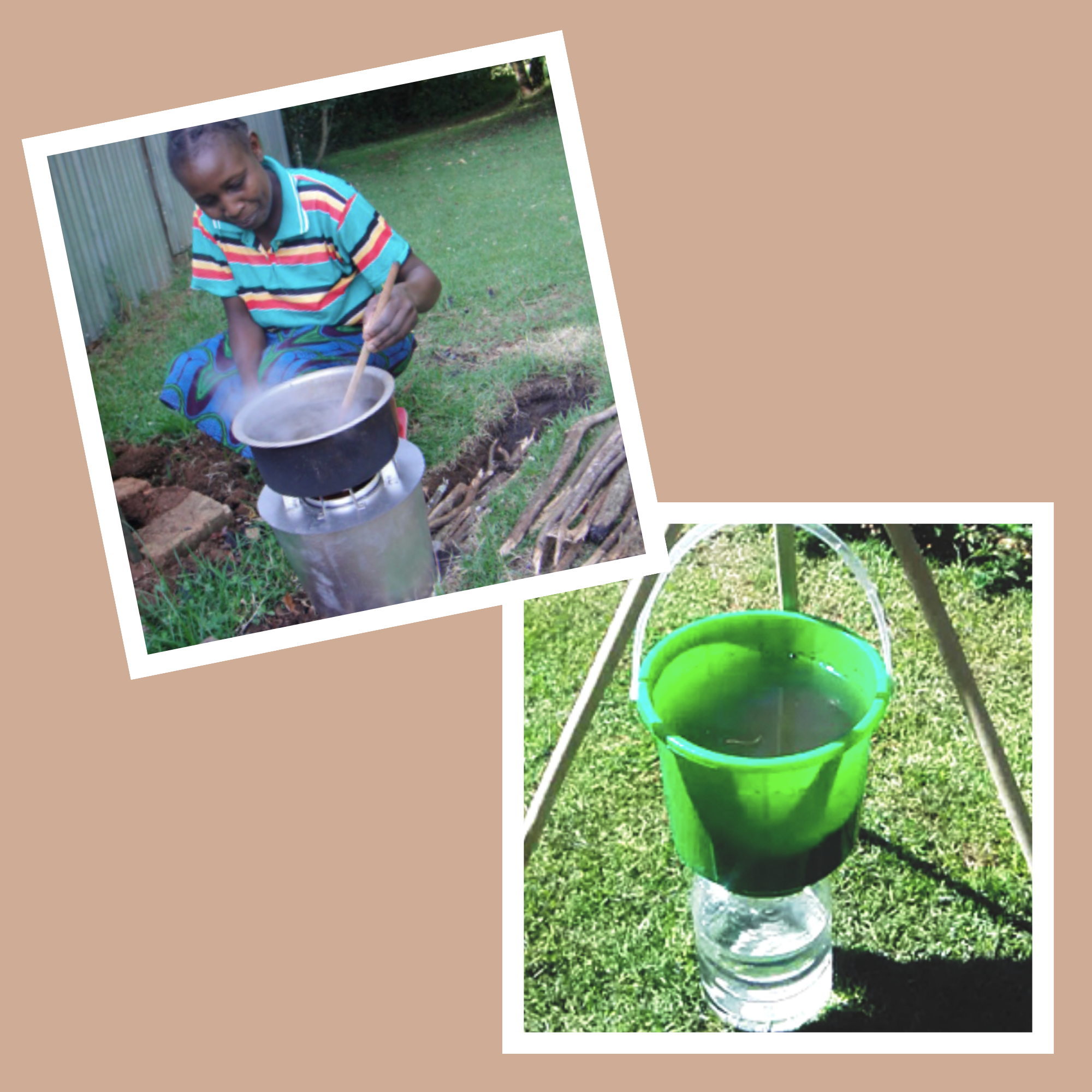
It all started in Kenya some twenty years ago on our family small holding. Wood was getting scarce and the only water supply, a small river, had become polluted with soap from an impromptu ‘laundry’ upstream. The best way to filter out the washing soap, and make the water potable again, was to use activated charcoal.
The process we used to make this activated charcoal produced a lot of heat, which was then put to good use in the form of a cook stove. We found the best activated charcoal came from burning small sticks, which also solved another issue: we no longer had to buy unsustainable fuel wood to cook with. Now twigs that had fallen from our own trees were sufficient.
Lockdown Carbon
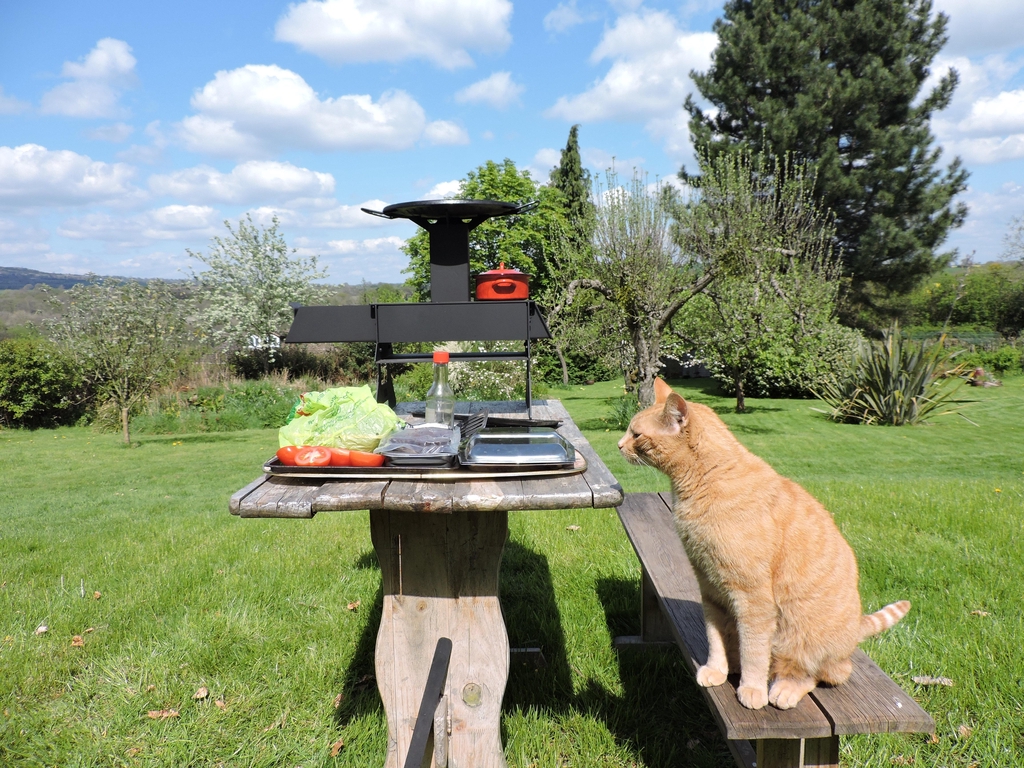
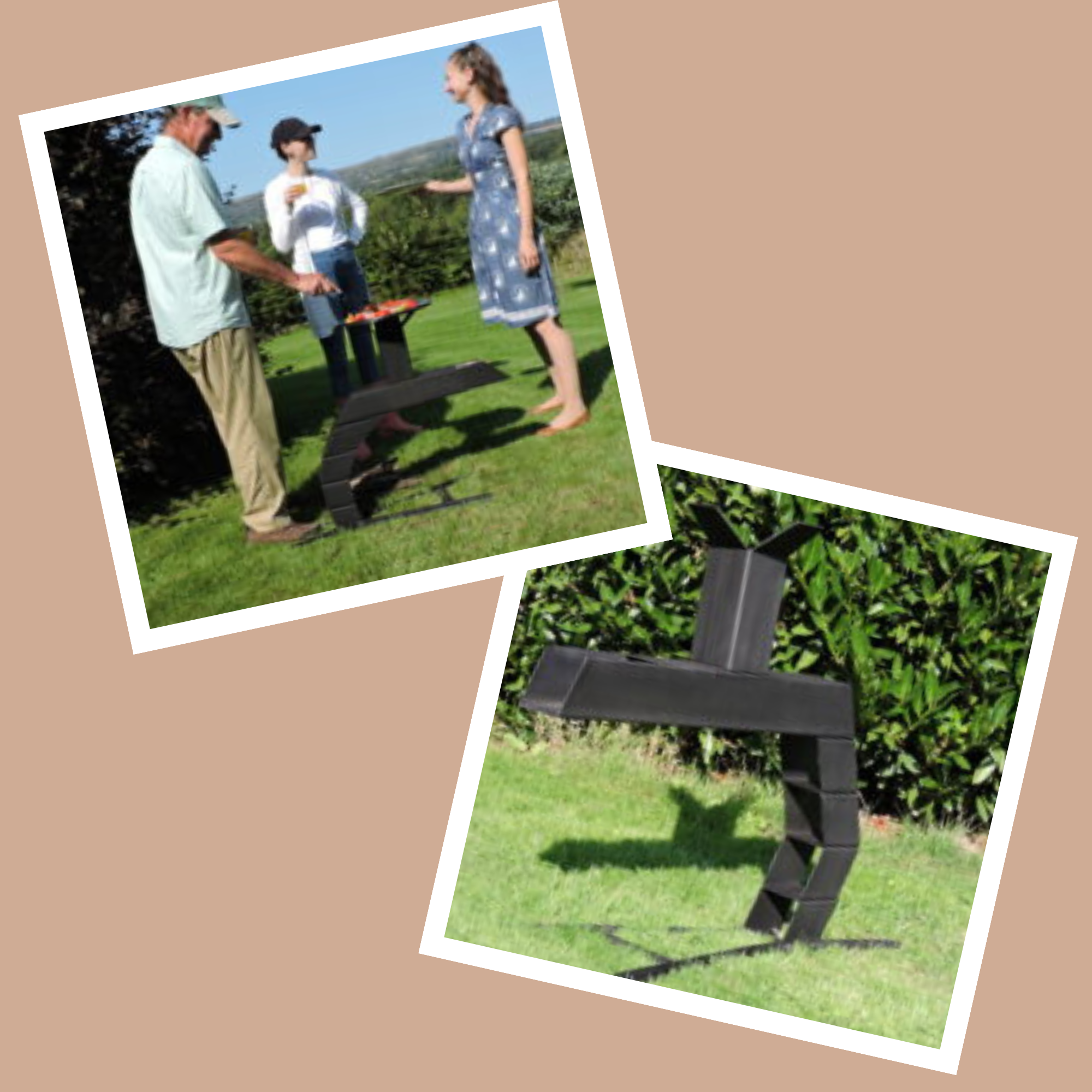
During the Covid lockdown in 2020 Graeme revisited the idea of the stoves to use them as an environmentally-friendly barbecue alternative. After numerous trials, the BiocharBBQ was designed to make optimal use of the heat from the biochar creation process.
In 2021 our original BiocharBBQ project was nominated for the first ever Earthshot Prize!
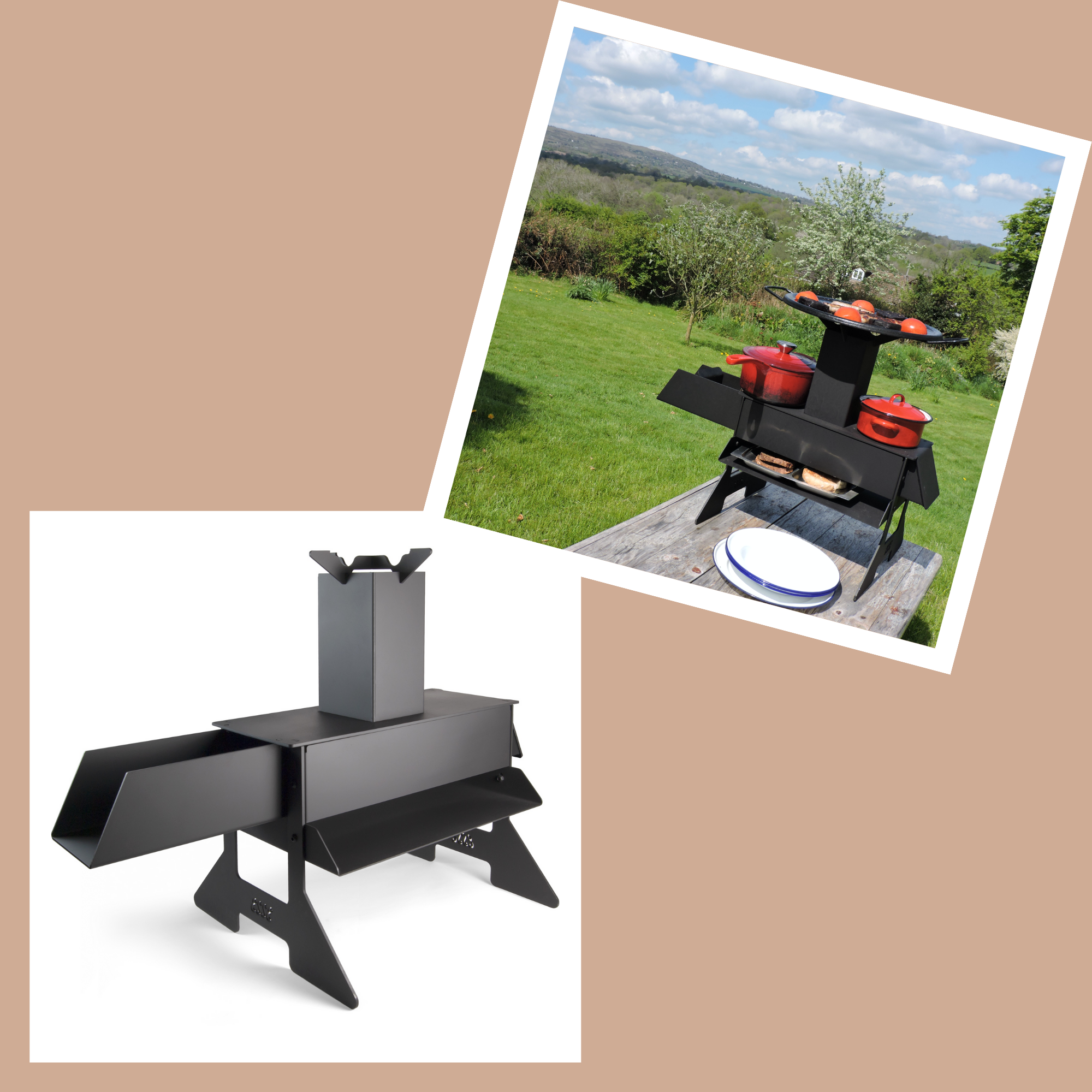
A couple of years later we reached a deal with master stove makers ESSE to produce the stoves: Carbon Farmers was created and the Tawi Stove was born!
The designs of the ESSE Tawi and the subsequent Greenway Tawi were optimised for use in the garden, and while owners continue to love them (including us) we knew that more was possible.
The Tawi Family
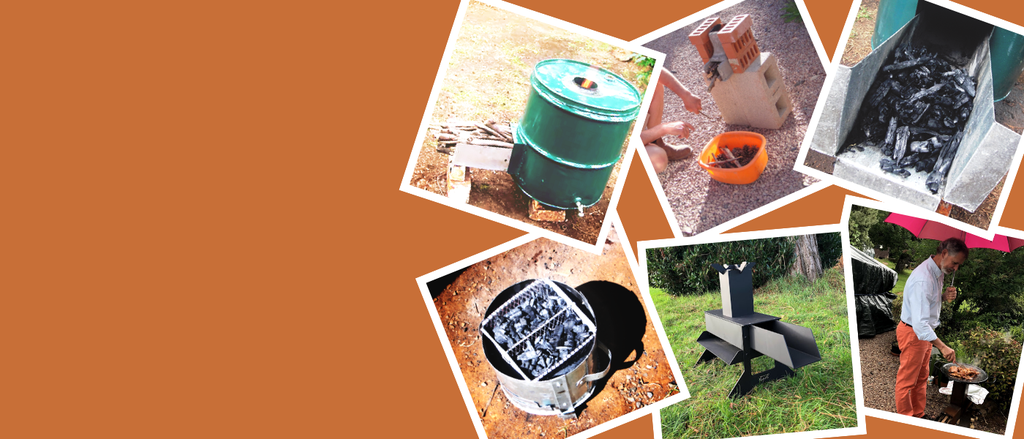
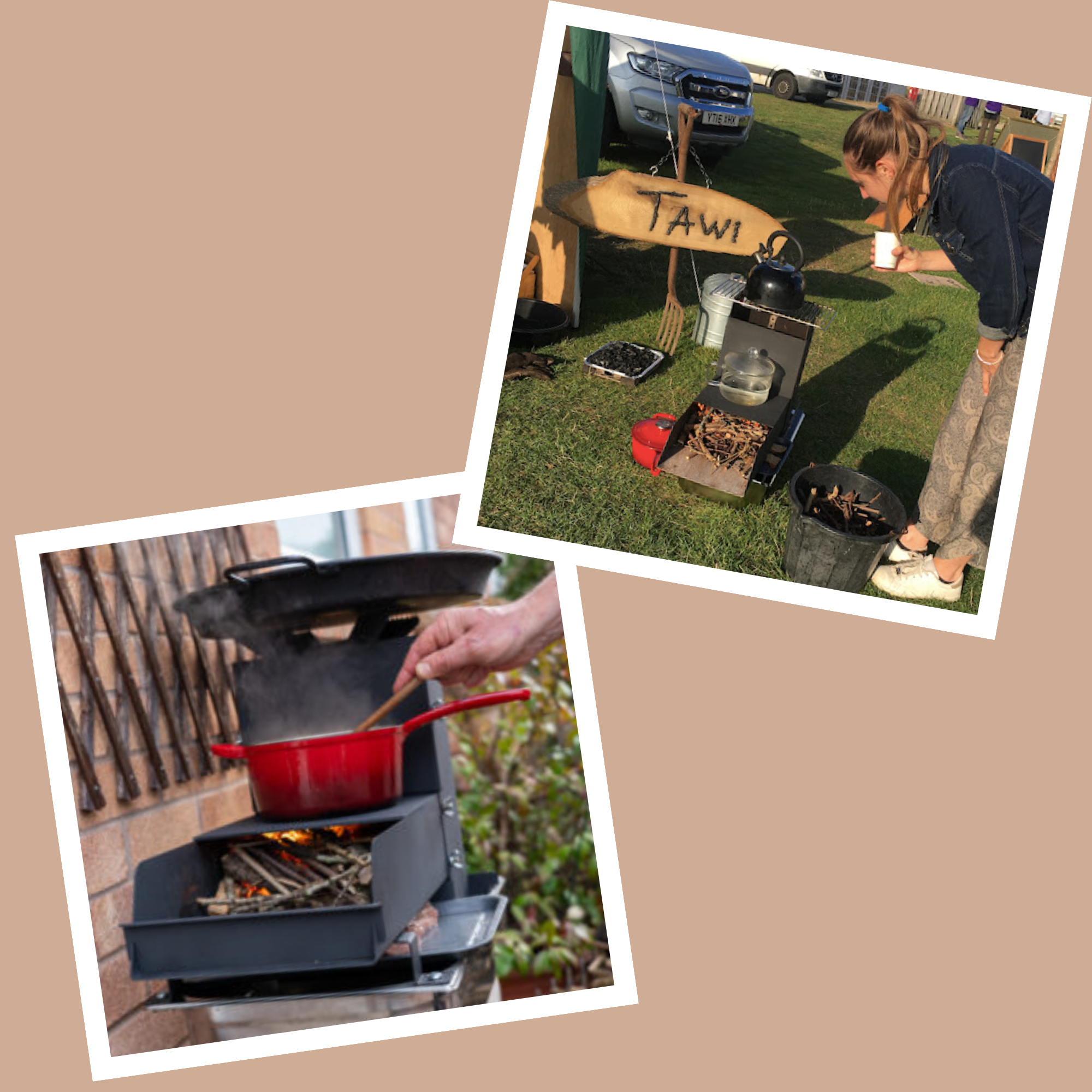
An invitation to the Forest School Association conference in 2023 led to the Tawi Stove design we have today. Optimised for efficiency, versatility and portability, this Tawi design combines all the lessons we have learnt over the years into what we believe is the best, most sustainable outdoor stove on the market.
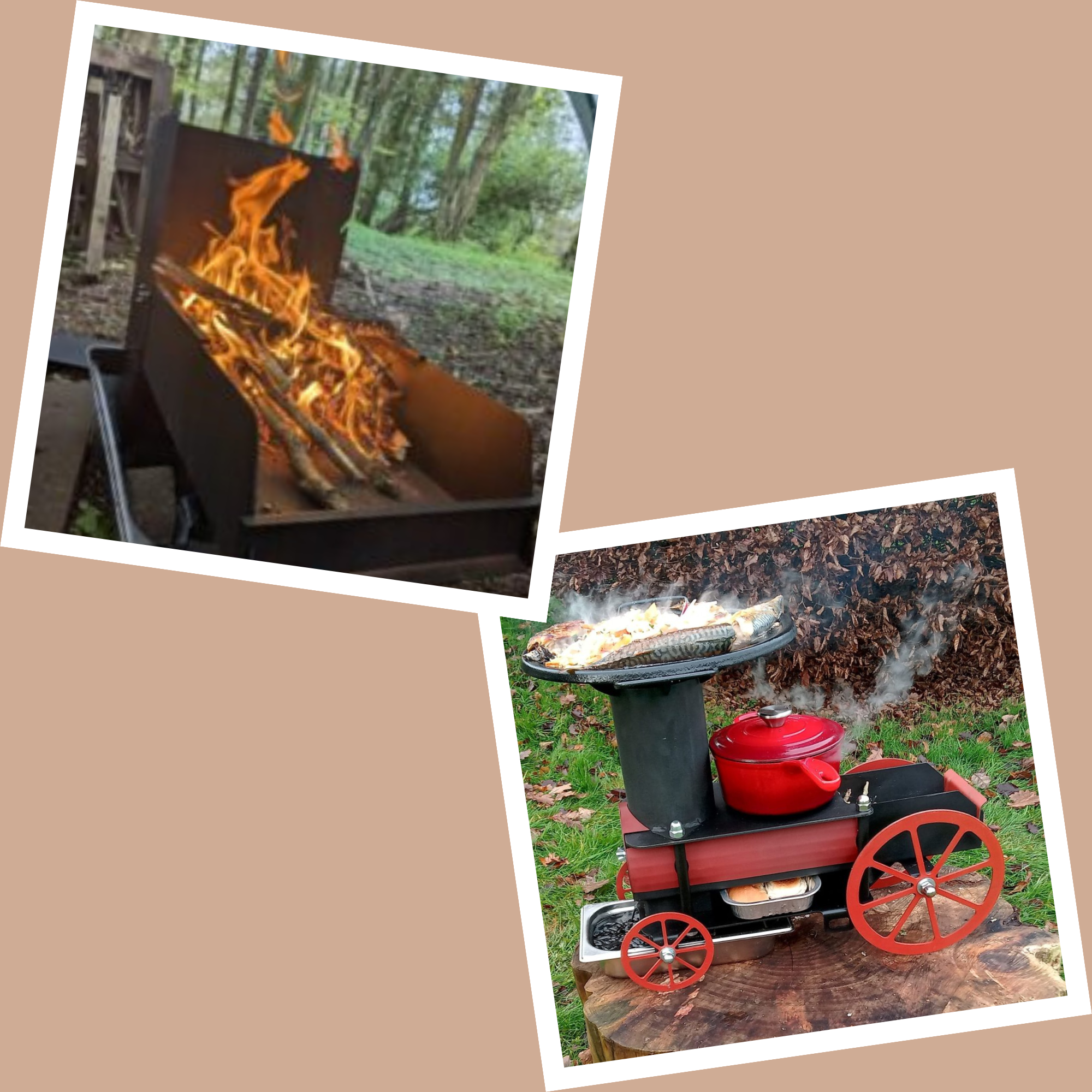
Since then we have grown the Tawi stove family, designing interesting, unusual models, all of which use free fuel to cook with, while making biochar to enrich composting, or for use as a sustainable charcoal alternative.
The Tawi Stove design can be personalised, as demonstrated by the popular Roller Tawi which was created to honour the 150th birthday of Thomas Aveling, inventor of the traction engine.
Getting Bigger
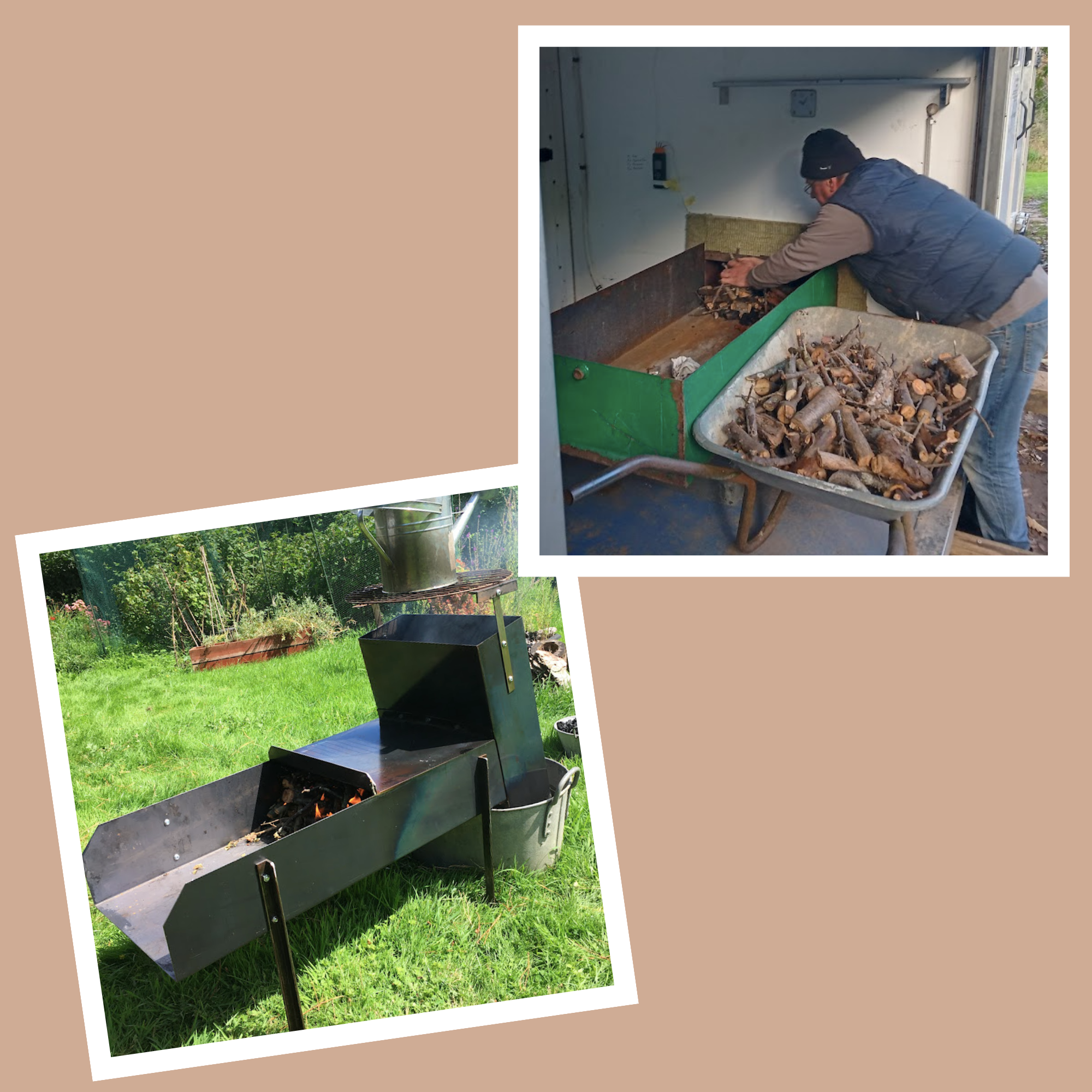
Throughout our Tawi stove design journey we have been approached by a cross section of people interested in how they might apply Tawi technology in a variety of situations, including large scale outdoor community kitchens, high volume biochar production and how to use biochar for run-off filtration.
We are constantly innovating and exploring, so if you have a project for which you would like a bespoke solution, we would genuinely like to hear about it!
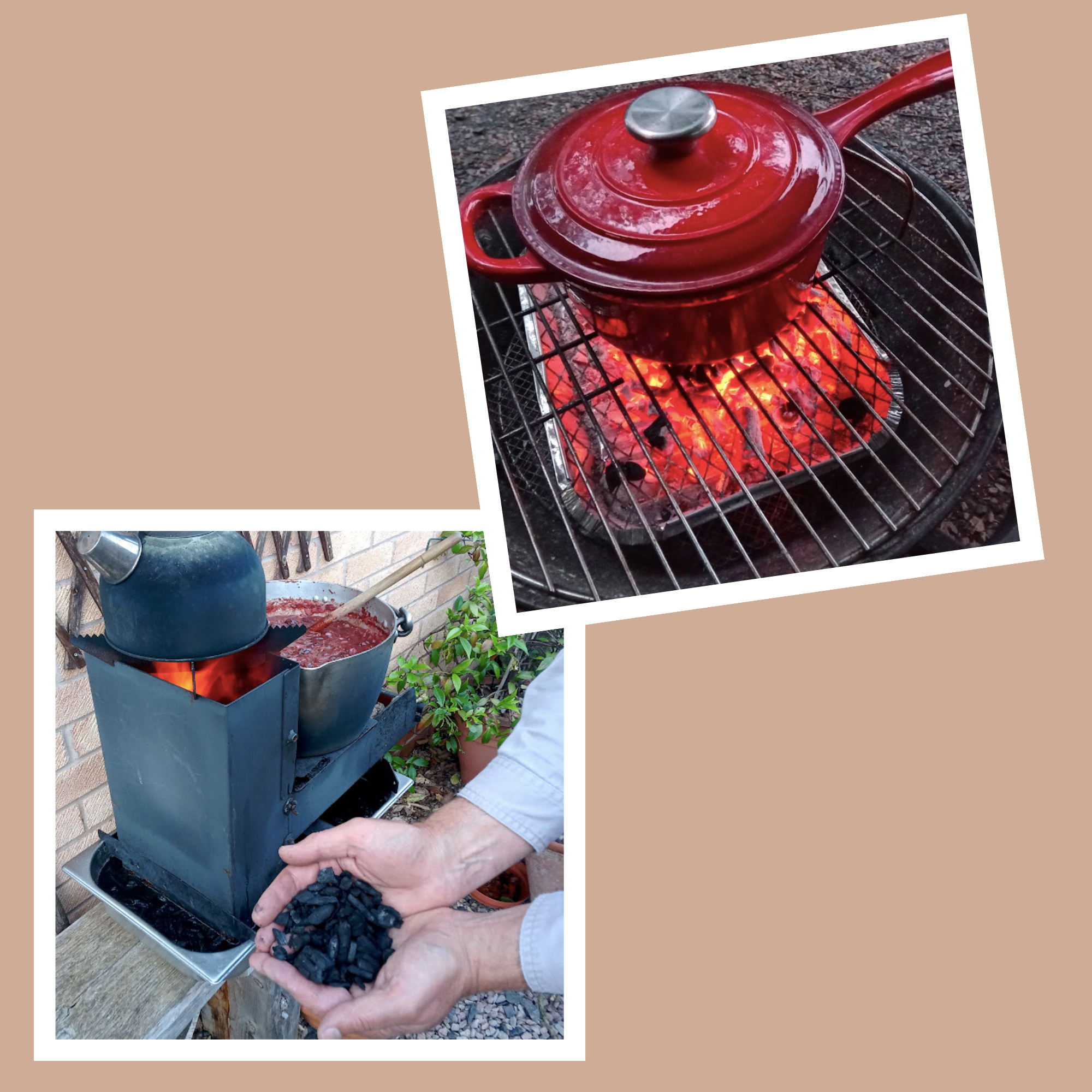
The Carbon Farmers project has involved exploring many different concepts. Our Tawi Stove community is important to us, and we want to share the information we have gathered (including the stories linked above).
As Tawi stove owners often feed back creative, imaginative ways of using their Tawi stoves, we have created the Innovative Ideas blog.
This is a space for sharing interesting information about carbon capture, biochar, learning with fire and outdoor cooking.
What we hope for our Future
Self-sufficiency is not something that we apparently need to worry too much about in the West just yet. However, for billions of people around the world it is a critical part of survival. In many rural communities, where paid employment opportunities are limited, producing at least some of your own food is essential. Fertile land for cultivation, wood fuel for cooking, and water for drinking and irrigation are often very limited. It is vital to make the most of scarce resources; which is where biochar can really help and make a meaningful difference.

Purify Water
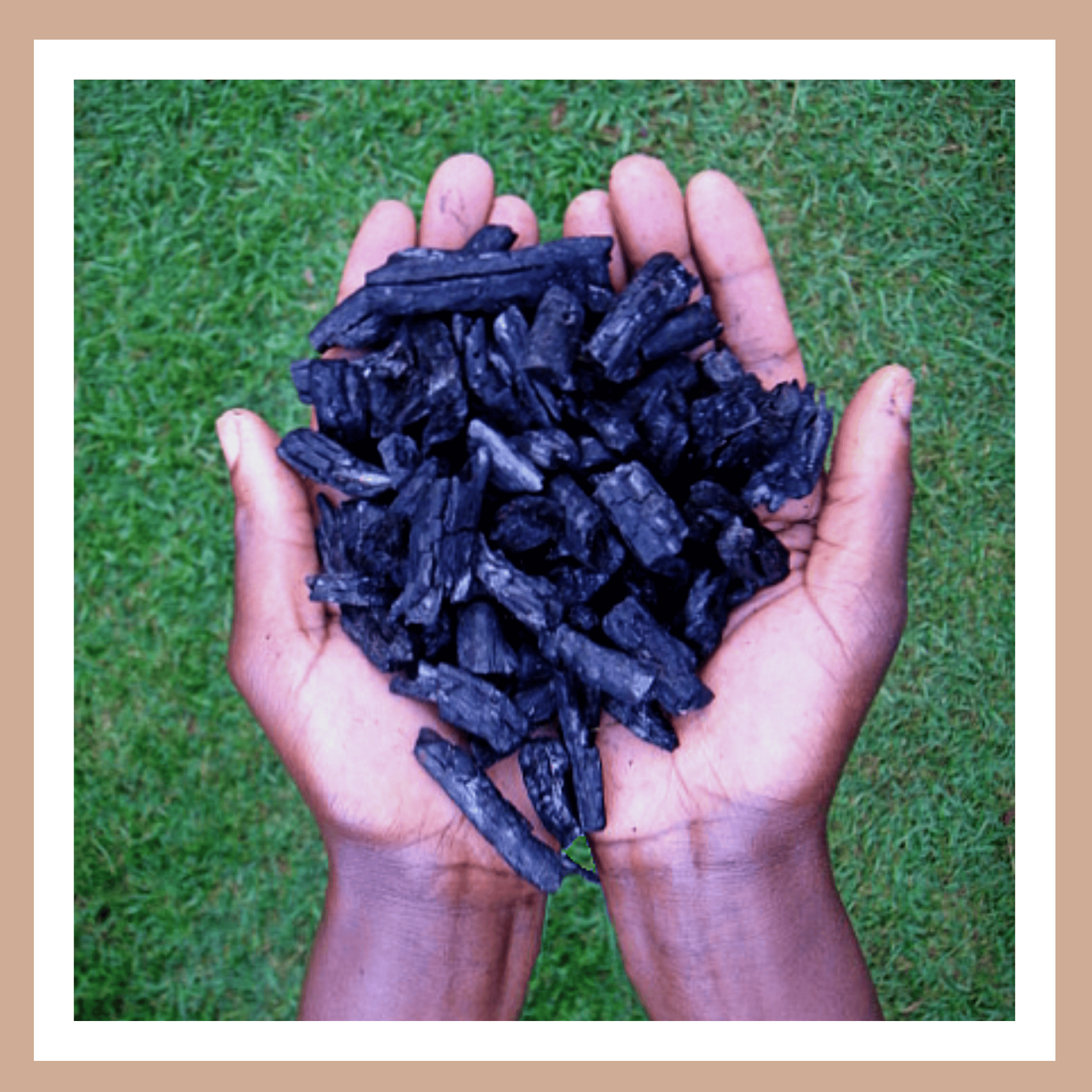
More than enough Biochar can be made to effectively filter all the drinking water a family needs, using a simple homemade filter. The ability to produce crystal-clear drinking water, free of toxins, will have a positive impact on the health of many families. Not having to boil drinking water will also save a lot of fuel.
Require less wood
Less wood will be used and, more importantly, even the smallest of twigs can be burnt effectively. Trees can supply fuel through natural shedding, rather than having to be chopped down, which actively encourages tree preservation.
Clean Air
Less smoke during the cooking process improves air quality and health. It is estimated that 3 million people die every year from respiratory illnesses caused by wood-smoke inhalation.
Increase Crop Yields
By using this technique to cook at least some of their food, a family will produce sufficient biochar to significantly improve the effectiveness of their home-made compost, irrigation water and fertilizer. Over time, even the poorest soils will regenerate, and crop yields will increase.
Reduce Habitat Loss
The main cause of habitat loss is land being cleared for crops. Making existing farmland more productive reduces the need to encroach onto uncultivated land and vital natural forests.
Prevent Soil Leaching
Many tropical soils are very porous. Biochar is excellent at retaining water and nutrients. This capacity also works for fertilizers, preventing them from leaching out where they can pollute watercourses. Appropriate use of biochar can support ongoing soil amendment systems.
Questions?
Do you have questions about what we do?
Do you think you can help us?